Greenhouse gas emissions stories
Rising visitor numbers are putting New Zealand’s lakes, tracks and towns under strain, with a watchdog warning current policy will not curb damage.
Long-term upgrades to tracks, trains and ferries could finally be unlocked as the government shifts rail funding away from annual budget battles.
Britain could cut aviation emissions and landfill use as a planned waste-to-fuels plant near Immingham seeks approval, creating 130 jobs.
Rural farms could cut power bills and earn extra income as a new on-site biogas and solar system turns waste into electricity and fertiliser.
Insect bioconversion could turn millions of tonnes of food waste into animal feed, biodiesel and packaging materials, while cutting emissions.
New draft carbon standards and a new expo zone will give New Zealand building owners practical steps towards net zero by 2050.
Pragmatic solutions are needed to cut waste, trim compliance costs and keep safety goals intact as prescriptive rules prove too rigid.
The Oakey beef plant has cut natural gas use and wastewater odours, with biogas output now helping to offset drought-hit operating costs.
Businesses are cutting landfill charges and transport costs as a Sydney plant turns commercial food waste into fertiliser and green energy.
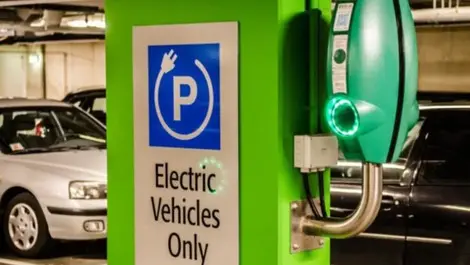
The move will accelerate fleet electrification and could cut emissions, with Genesis already halfway to hybrid or electric light vehicles and adding chargers.
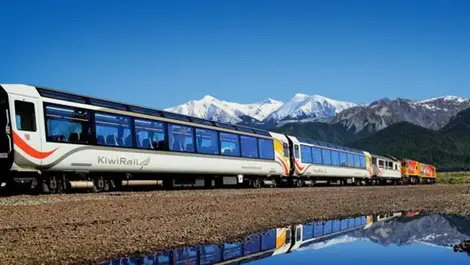
Reopening of the Main North Line helped lift KiwiRail's half-year revenue 12% to GBP £328.8 million and surplus to GBP £16.3 million.
The Lancet says obesity, undernutrition and climate change are linked costs weighing about USD $2 trillion a year on global health and productivity.
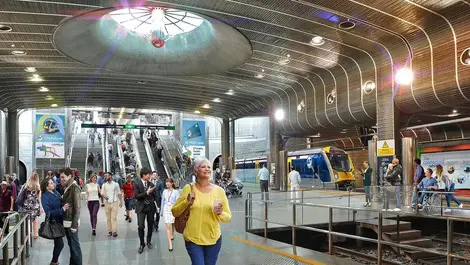
Auckland’s rail link has cut construction waste and emissions sharply, showing big infrastructure can hit sustainability targets while easing congestion.
New Zealand could slash transport emissions by up to 88% by 2050 if policymakers back a faster switch to electric and renewable fuel vehicles.
Residents and developers could face tighter rules as Sydney commits to net zero carbon buildings by 2050 and new builds by 2030.
Cities could cut treatment costs and recover water, nutrients and carbon by replacing end-of-pipe sanitation with nature-based systems.
Lower vacancy rates in Auckland and Wellington are boosting landlords' returns, with Green Star office buildings drawing tenants more quickly than the wider market.
Delaying climate reform could make New Zealand’s shift to a low-emissions economy costlier, more abrupt and far harder to manage.
The rail operator plans to measure and report emissions, while shifting more freight off roads could cut New Zealand's annual output by 518,000 tonnes.
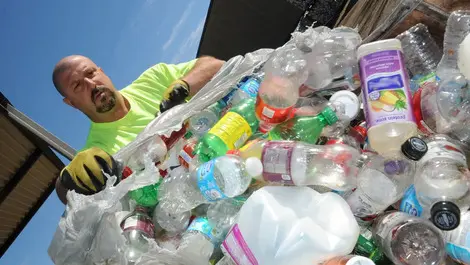
Consumers are being misled by confusing plastic labels, as experts call for clearer standards and tougher government oversight.