Greenhouse gas emissions stories
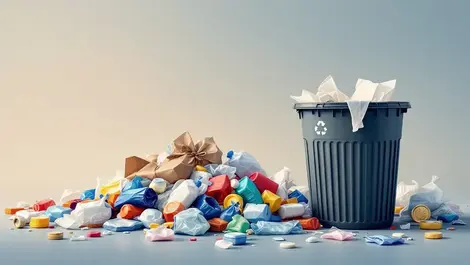
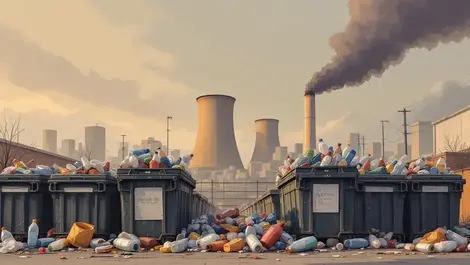
Plastic waste could cost EU taxpayers or shoppers more as Brussels moves to levy EUR €0.80 per kilogramme on unrecycled packaging.
Establishing a carbon baseline gives firms a starting point to cut emissions, compare sites and plan against future climate targets.
Public consultation begins on a draft plan that says faster action is needed if Aotearoa is to stay within its climate targets.
Plants could stop buffering a third of human emissions within 20 years, making climate change harder to slow as warming rises.
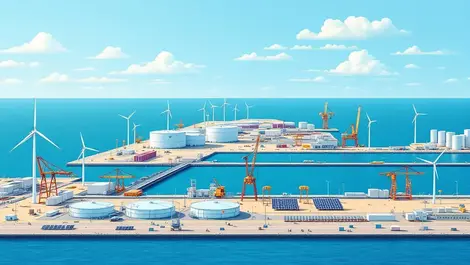
South Australia’s push to export renewable energy will add 40,000 tonnes of ammonia a year, backed by GBP £37 million for Port Bonython.
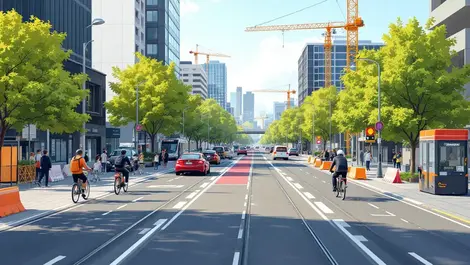
The revived plan could ease congestion and cut emissions, but only if planners avoid the delays and cost overruns that sank Sydney’s project.
Australia’s recovery risks being blunted unless governments shift spending towards social infrastructure, housing and renewable energy.
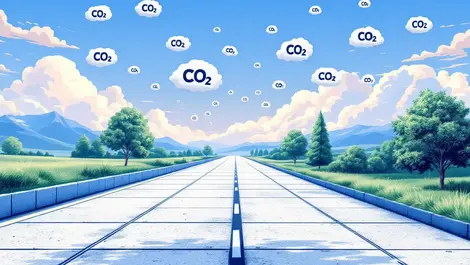
Carbon-negative concrete could cut road-building emissions by as much as 70%, with one kilometre absorbing CO2 equal to 100,000 trees a year.
A new report warns rising temperatures, melting glaciers and sea levels could reshape the country unless emissions fall quickly.
Weak planning, funding and governance are leaving New Zealand unable to deliver the wider public outcomes it now says it wants.
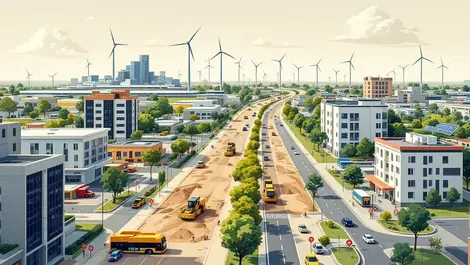
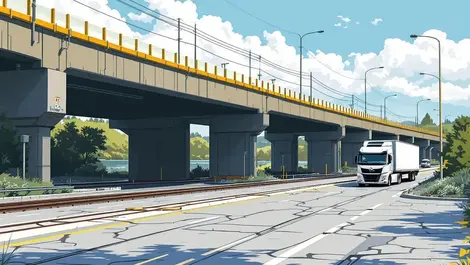
Funding will still fall short of fixing decades of underinvestment, with experts warning roads and rail need more to meet safety and climate goals.
Even an ideal recycling system would cut plastics-sector emissions by only 14% by 2050, leaving major producers still far from net zero.
New transmission upgrades and extra storage will be needed as the smelter’s exit frees up 12% of New Zealand’s electricity, experts say.
Consumers faced an extra USD $80 million bill as the Electricity Authority found Meridian’s spilling also raised emissions and fossil fuel use.
Lockdowns are set to cut CO2 emissions by at least 5% this year, but any climate gain could be erased unless stimulus backs cleaner growth.
Remote work, home schooling and digital healthcare could outlast the pandemic, reshaping cities, travel and emissions for years to come.
The new plant will treat 40,000 tonnes of hazardous waste a year, helping Shanghai industry meet stricter emissions standards.
Youth, immigrants and urban Maori are most at risk as planners warn New Zealand must better reflect its diverse communities.
Freight in Northland will move by rail for the first time, after a NZD $109.7 million boost to reopen lines and build a terminal.
Investors may pour more money into low-carbon projects this year, but election outcomes and climate shocks could still slow decarbonisation.