Climate change stories
MetricStream has announced a new product to simplify the ability to navigate the rapidly growing importance of governance, risk, and compliance (GRC).
Faraz Ali joins us today to discuss edge infrastructure and its application in industry, and Vertiv's role in gaming and sustainability in the data centre. .
Amazon Web Services (AWS) has launched the AWS customer carbon footprint tool to help businesses calculate their carbon emissions and predict future changes.
Greater use of mass timber in New Zealand buildings is set to get a boost, after the Timber Design Centre named Dr Robert Finch as director.
New Zealand has a reputation for efficiency and innovation, and has strong potential to be a leader in climate tech.
Sulphur-based cells could cut EV battery costs sharply, with Theion claiming triple the range and far less energy use in production.
A $350-million proposal could bring 245 apartments to South Perth if planners back the 50-storey hybrid project.
Local and central government backing will decide whether New Zealand's 30-year infrastructure strategy turns recommendations into real projects.
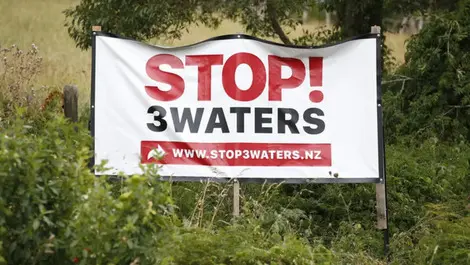
Councils and opponents remain split as the Government's water overhaul promises public ownership but keeps co-governance in place.
A Canterbury student’s low-cost wall panel could help cut the building sector’s emissions, with seaweed replacing traditional gypsum in plasterboard.
Experts say the consultation paper could raise costs for businesses and consumers unless it better addresses trade-offs, investment and global freight risks.
Public road trials and taxi ranks could make electric vehicle charging faster, cheaper and less disruptive for drivers.
Rising flood risk from climate change could erode home prices and threaten banking stability in New Zealand's coastal cities.
Metered Auckland households use far less water than unmetered districts, where per-person consumption can reach 800 litres a day, the report says.
Europe’s energy security has been exposed by Russia’s invasion, strengthening calls for a rapid shift to renewables and digital twins.
A report warns New Zealand is missing harmful chemicals in the environment because monitoring is patchy and data on use is scarce.
Government funding for a new timber knowledge hub could help slash emissions in New Zealand’s mid-rise apartments and offices.
Aucklanders could gain a faster, more connected transport network if the government and council back a billion-dollar light rail plan.
Motorists could face higher pump prices as New Zealand's sustainable biofuels mandate aims to curb transport emissions from April 2023.
Poor sanitation and water management are emitting methane, while better policy could help cut climate pollution and expand clean energy.