Cities could gain clearer insight into parking demand and enforcement as SenSen and Turnstone join forces on real-time curb data across North America.
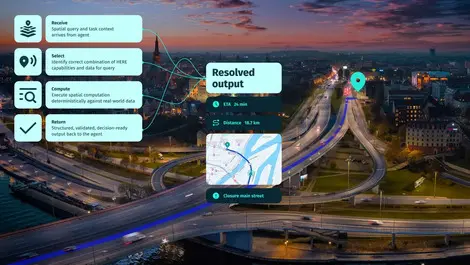
Businesses using AI for routes and dispatch could cut errors and costs as HERE adds a dedicated layer for spatial computation.
Households and dealers face higher costs after Yukon scrapped EV and e-bike rebates, leaving clean-tech investment in flux.
The UK industrial AI company is stepping up its North American push as it seeks to turn existing US customers into broader revenue growth.
Drivers and passengers could see faster card and wallet payments at kiosks in more than 30 countries as the firms begin pilot programmes in 2026.
Factories facing labour shortages and rising costs are set to get a new execution tool, as the firms pair consulting with frontline software.
Planned interprovincial links and more skilled workers are meant to prevent higher bills as electricity demand doubles by mid-century.
Eligible mutual policyholders will share in the largest programme payout yet, with credits lifted by low losses and added risk mitigation effort.
Ontario's first grid-scale SMR could ease pressure on a strained power system, but experts say wider relief will hinge on faster deployment.
The partnership gives evacuees and responders faster access to rides and supplies when floods, fires and storms disrupt transport across Ontario.
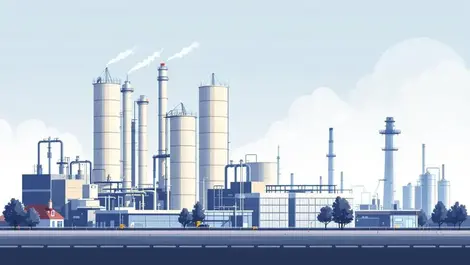
The tie-up aims to speed plant design and operations, as the firms target chemical and biomanufacturing tasks that often take months to model.
Europe’s battery makers could gain local supply for about 500,000 electric vehicle batteries a year as Vulcan starts work in Frankfurt.
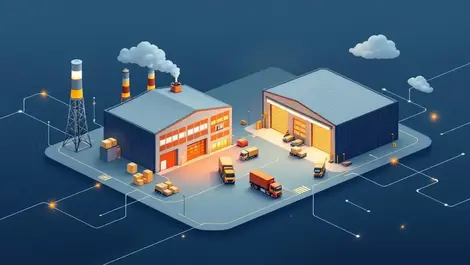
The move is meant to replace fragmented regional planning with a single global system, giving tesa faster decisions as supply chains shift.
Travellers can now compare 4,000 ferry routes in ChatGPT, as the booking service pushes a fragmented market into AI planning tools.
A common way to measure the environmental impact of SIM and eSIM products could improve transparency for operators and suppliers across supply chains.
It has cut operational emissions sharply, but the group still has a long way to go to hit its annual sustainability target.
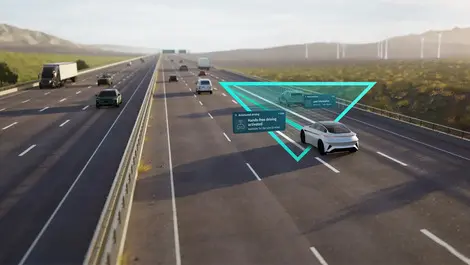
Automakers racing to deploy Level 2++ systems abroad need consistent road data, as unfamiliar layouts can still unsettle assisted driving.
Fleet operators could save millions by using telematics to curb idling, harsh driving and waste as fuel prices keep climbing.
Customers in mining and energy will get tighter links between maintenance planning, sourcing and supply agreements after the acquisition.
Boards facing tighter scrutiny may find the book's security-led framework useful as risk, reputation and duty of care collide.